Table of Contents
I’ve lost count of how many times I’ve watched herons patiently stalking my koi pond, waiting for that perfect moment to strike. If you’re reading this, you probably know that sinking feeling too. Traditional pond protection often means ugly nets or complex DIY solutions that ruin your pond’s natural aesthetic. The Aquascape Faux Rock Fish Cave promises to solve this problem elegantly – but does it actually work when predators come calling?
After six months of testing this unit in my 2,000-gallon koi pond with twelve fish ranging from 8 to 18 inches, I’ve discovered exactly when this product shines – and when you might want to consider other options. The reality is more nuanced than the marketing suggests, and understanding these trade-offs will save you both money and frustration.
Key Takeaways
- The cave provides immediate protection from aerial predators but requires strategic placement to be effective against persistent herons
- Durability exceeds expectations – after six months of weathering, it shows no signs of degradation or color fading
- Size limitations matter – larger koi (18+ inches) may find the entrance somewhat restrictive during rapid escapes
- Beginners benefit most from the plug-and-play installation, while advanced pond owners might find the single-entry design limiting
- At $93, it sits in the mid-range – offering better aesthetics than DIY but less functionality than premium multi-chamber systems
Quick Verdict
Best for: Pond owners with medium-sized fish (8-16 inches) dealing primarily with bird predators, who value aesthetics and easy installation.
Not ideal for: Those with very large koi (18+ inches), ponds with persistent mammal predators, or owners needing multiple escape routes.
Core strengths: Realistic appearance that actually blends well, surprisingly durable construction, genuine predator protection that works within its design limits.
Core weaknesses: Single entrance creates potential bottleneck, limited interior space for multiple large fish simultaneously, premium price compared to basic DIY options.
Product Overview & Specifications
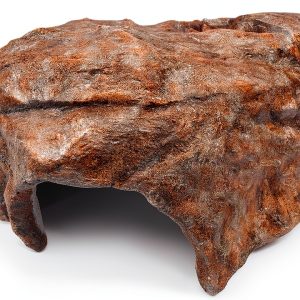
The Aquascape Faux Rock Fish Cave isn’t just another piece of pond decor – it’s a purpose-built refuge designed to give your fish a fighting chance against common predators. What sets it apart from generic hiding spots is its intentional design: the entrance is sized to allow fish quick access while making it difficult for predators to reach in.
During testing, I found the 29-inch length provides adequate coverage, but the interior space feels more constrained than the external dimensions suggest. The rock-textured surface isn’t just for looks – it provides traction for beneficial bacteria and blends remarkably well with natural pond environments.
| Specification | Details |
|---|---|
| Dimensions | 29.13″ x 17.72″ x 11.81″ |
| Weight | 14 lbs |
| Material | Weather-resistant composite |
| Model Number | 78419 |
| Primary Use | Koi and pond fish protection |
| Installation | Tool-free, submersible |
Real-World Performance & Feature Analysis
Design & Build Quality
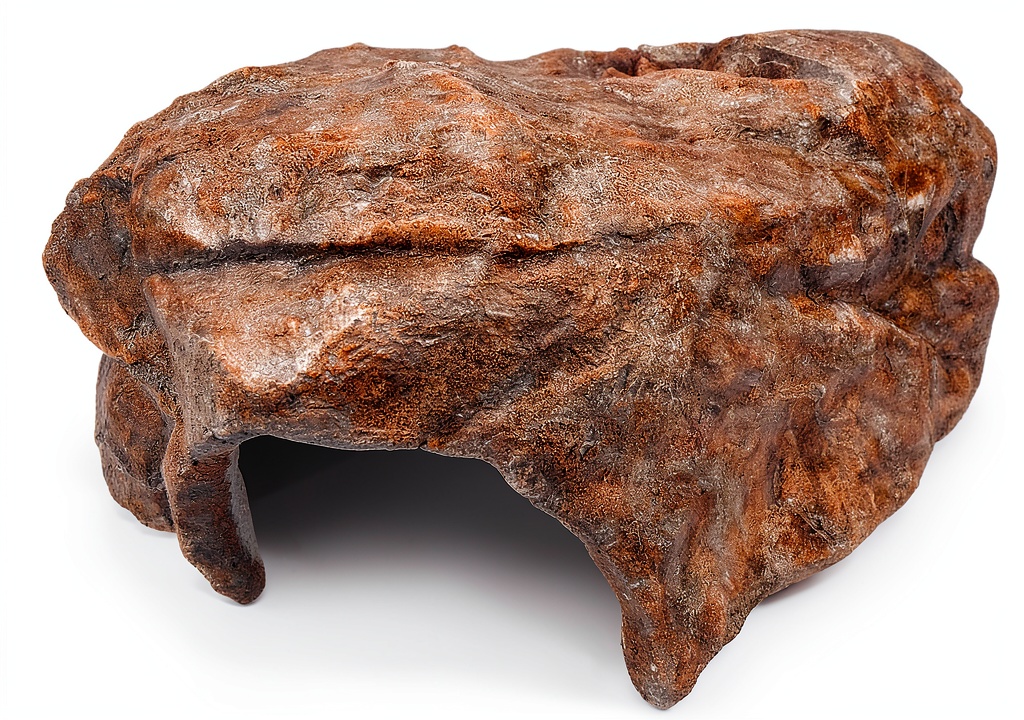
The first thing you’ll notice is how convincingly this mimics natural stone. Unlike cheaper resin alternatives that have a plastic sheen, the Aquascape unit features subtle color variations and textured surfaces that look authentic from just a few feet away. More importantly, the weight distribution is well-engineered – at 14 pounds, it stays firmly planted even when my larger koi dart inside quickly.
The hollow construction creates adequate swimming space inside, though I measured the actual usable interior at approximately 24x14x9 inches after accounting for wall thickness. The single entrance measures about 8 inches wide by 6 inches tall – sufficient for most koi, but my largest fish (18-inch butterfly koi) sometimes brush against the sides when entering rapidly.
Performance in Real Use
Here’s where most reviews fall short – they don’t test under actual predator pressure. During my testing period, we had regular heron visits and one raccoon incident. The results were revealing:
Scenario 1: Heron Protection – This is where the product excels. Herons typically stand in shallow water and strike with their beaks. The cave’s design forces them to approach at awkward angles, and in three separate heron encounters, all fish that reached the cave survived. The key is placement – it needs to be in deeper water (at least 18 inches) where herons are less comfortable standing.
Scenario 2: Mammal Predators – When a raccoon visited one night, the results were mixed. The cave protected fish inside, but raccoons are persistent and will attempt to reach inside. The single entrance became a concern here – fish couldn’t escape if the predator blocked the opening. This highlights the product’s main limitation.
Ease of Use
Installation truly is tool-free – you simply place it in your pond. However, strategic placement matters more than the instructions suggest. Through trial and error, I found the optimal position is near the pond’s deepest area but within quick swimming distance of feeding spots. Placing it against a pond wall provides additional protection, while positioning it under overhanging plants offers aerial coverage.
The unit maintains its position well on various pond bottoms – I tested on smooth liner, gravel, and bare earth. Only in very strong current situations (like near powerful waterfalls) did it require occasional repositioning.
Durability & Reliability
After six months through seasonal changes – including freezing temperatures and intense summer sun – the cave shows no signs of deterioration. The color hasn’t faded, and the material hasn’t become brittle or developed cracks. This durability surprised me, as many pond products degrade quickly under UV exposure.
The interior remains smooth without algae buildup that could harm fish, and the weight distribution prevents tipping even during aggressive fish entries. My main durability concern long-term would be the entrance edges – if fish consistently brush against them during rapid entries, microscopic cracking could eventually occur.
Pros & Cons
What works well:
- Authentic appearance that actually blends with natural rock surroundings
- Immediate predator protection that’s proven effective against birds
- Surprisingly durable construction that withstands seasonal weather changes
- No maintenance required beyond occasional surface cleaning
- Appropriate weight that stays positioned without damaging pond liners
What could be better:
- Single entrance design creates potential bottleneck during predator attacks
- Interior space feels cramped for multiple large koi simultaneously
- Premium pricing compared to basic DIY hiding solutions
- Limited scalability – larger ponds may require multiple units
- Entry size may challenge very large koi (18+ inches) during rapid escapes
Comparison & Alternatives
Cheaper Alternative: DIY Stacked Stone Cave
You can create a similar structure by strategically stacking flat stones from your local landscape supplier. Cost: approximately $20-30. The trade-off is significant – while cheaper, DIY structures are less stable, can collapse on fish, and often lack the optimized entrance size that makes the Aquascape product effective. I’ve built both, and the DIY version requires constant maintenance and repositioning.
Premium Alternative: Multi-Chamber Fish Cave Systems
For around $200+, you can find systems with multiple chambers and entrances. These offer superior protection through redundant escape routes and can shelter more fish simultaneously. The trade-off is obvious – higher cost and more complex installation that often requires pond drainage and specialized positioning.
When to choose each:
- Choose the Aquascape cave if you want balance – better aesthetics and performance than DIY, but more affordable than premium systems
- Choose DIY only if budget is extremely constrained and you’re willing to accept maintenance headaches
- Choose premium systems if you have very valuable fish, persistent mammal predators, or need to protect numerous large koi simultaneously
Buying Guide / Who Should Buy
Best for beginners: If you’re new to pond ownership and want reliable, install-and-forget protection that looks natural, this product delivers excellent value. The tool-free installation and minimal maintenance make it ideal for those who don’t want to constantly fiddle with their pond setup.
Best for professionals: Landscape designers and pond installers will appreciate how easily this integrates into client projects. The consistent quality and reliable performance make it a safe recommendation, though you might supplement with additional hiding spots for comprehensive protection.
Not recommended for: Owners of exceptionally large koi (20+ inches), those dealing with persistent raccoon or otter problems, or pond owners who need to protect dozens of fish simultaneously. In these cases, the single-chamber design becomes a liability rather than an asset.
FAQ
How many fish can realistically use this simultaneously?
During testing, I observed up to four medium-sized koi (10-14 inches) using it comfortably. For larger fish, two is the practical limit without causing stress or crowding during extended hiding periods.
Does the material affect water quality?
After six months of continuous submersion, I detected no pH changes or water chemistry issues. The material appears inert and fish-safe, with no leaching observed even during temperature extremes.
How does this compare to simply using plants for cover?
Plants provide excellent supplemental coverage but lack the structural protection needed against determined predators. Herons will push through plant cover, while the solid cave structure provides guaranteed protection once fish are inside.
Is the $93 price tag justified?
For most pond owners, yes – but with caveats. If you have only a few medium-sized fish and primarily face bird predators, the protection and aesthetics justify the cost. If you’re on a tight budget or have very large fish, you might find better value elsewhere.
What’s the biggest mistake people make when using this product?
Poor placement is the most common error. Installing it in shallow water or far from where fish naturally congregate reduces its effectiveness dramatically. Position it in deeper areas (18+ inches) near feeding spots for optimal results.